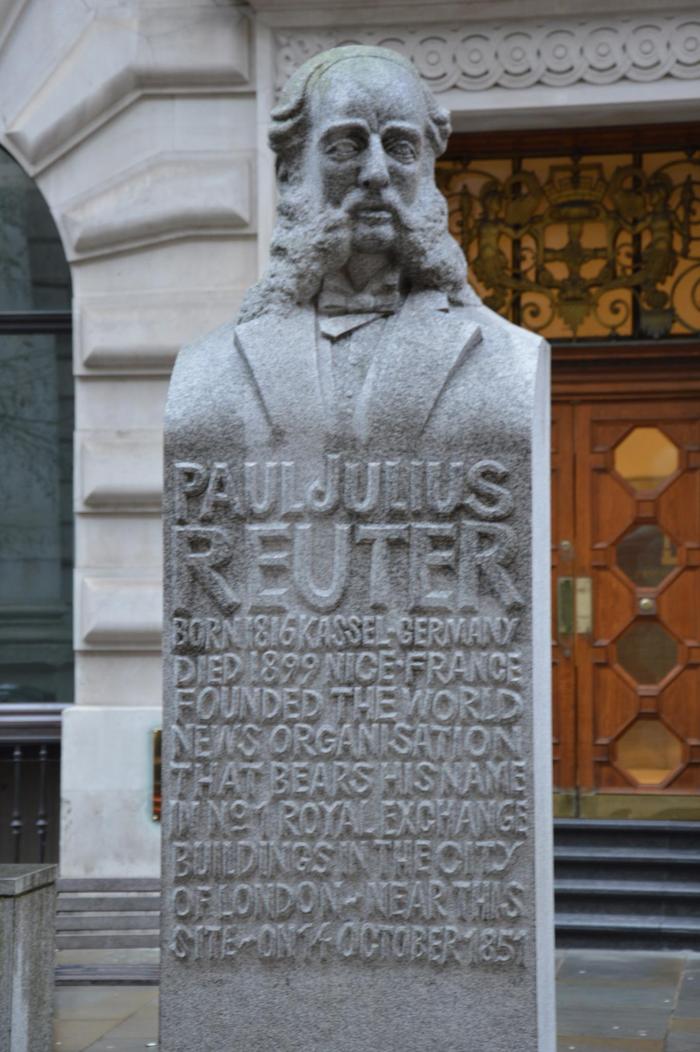

Paul Julius Reuter made an indelible mark on London's history, and not just because he founded one of the world's most influential news agencies. Born in Germany in 1816, Reuter moved to London in the 1850s, where he established a service using carrier pigeons to transfer stock market prices between Aachen and Brussels—ultimately extending this network to London. This early version of rapid information sharing was revolutionary, setting the stage for the modern global news service we recognize today as Reuters.
Unpacking Reuter's Early Innovations
Reuter's initial venture might seem quaint by today's digital standards, but it was a game-changer in the mid-19th century. By using pigeons, he could share information faster than the contemporary telegraph lines, which were often unreliable and didn't cover all areas. When he moved his operations to London, he tapped into one of the world's largest financial centers, providing stock prices and news quicker than most could have imagined at the time.
Why London?
Choosing London as his base was no mere coincidence. The city was—and still is—a buzzing hive of commercial activity with a hunger for timely information. Here, Reuter's operation found fertile ground to grow, as the demand for quicker news delivery was palpable among businessmen and traders eager for any advantage in the market. His choice illustrates a crucial business lesson: location can be as critical as the service or product one offers.
The Telegraph and Beyond
As technology advanced, so did Reuter's methods. The introduction of the telegraph was a significant leap forward, allowing him to retire his pigeon fleet. However, this shift wasn't just about adopting new technology; it was about understanding its potential impact on information dissemination. Reuter's ability to foresee and harness these technological shifts helped cement his company's reputation, showcasing the importance of innovation and adaptability in business.
Reuter's Legacy in Modern Times
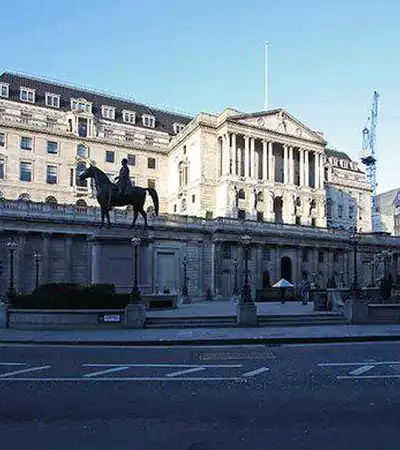
Today, Reuter's name lives on in the global news agency that continues to play a crucial role in media and communications. His early work in London set the foundation for practices that are now standard in newsrooms worldwide—speed, accuracy, and the relentless pursuit of the next big story. For travelers visiting London, exploring places linked to Reuter's life, like the Royal Exchange, provides a deeper appreciation of how his innovations helped shape not only media but also the modern world.
Reuter’s story is also a testament to the city’s role as a catalyst for personal transformation and entrepreneurial success. It's a vivid example of how a person with a vision can leverage the unique dynamics of a place like London to change an industry forever. So, when you walk through the bustling streets of London, remember that it's not just a city of historical landmarks but also a launchpad for revolutionary ideas and enduring legacies.
Visiting London offers more than just a peek into the past; it's an opportunity to see where big ideas took flight and changed our world. Whether you're a history buff, a budding entrepreneur, or just curious, tracing Reuter's steps in London can be as enlightening as it is inspiring.
Map Directions London, England, GB
49°F High: 51°F / Low: 45°F
£
Currency Pound sterling
United Kingdom eSIM Stay connected with Airalo